Akagera National Park
From Above

by Gaël R. Vande weghe

2024

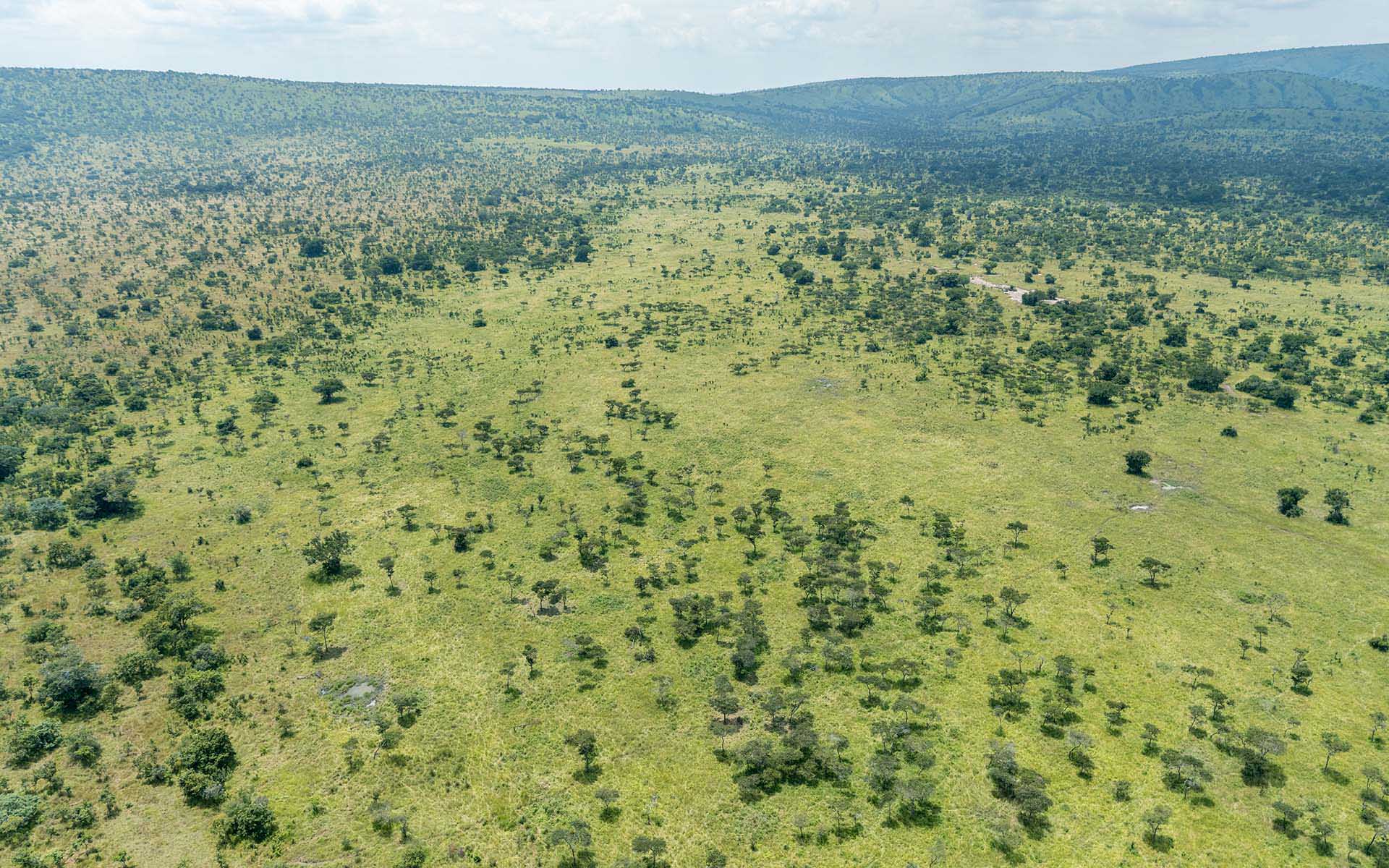
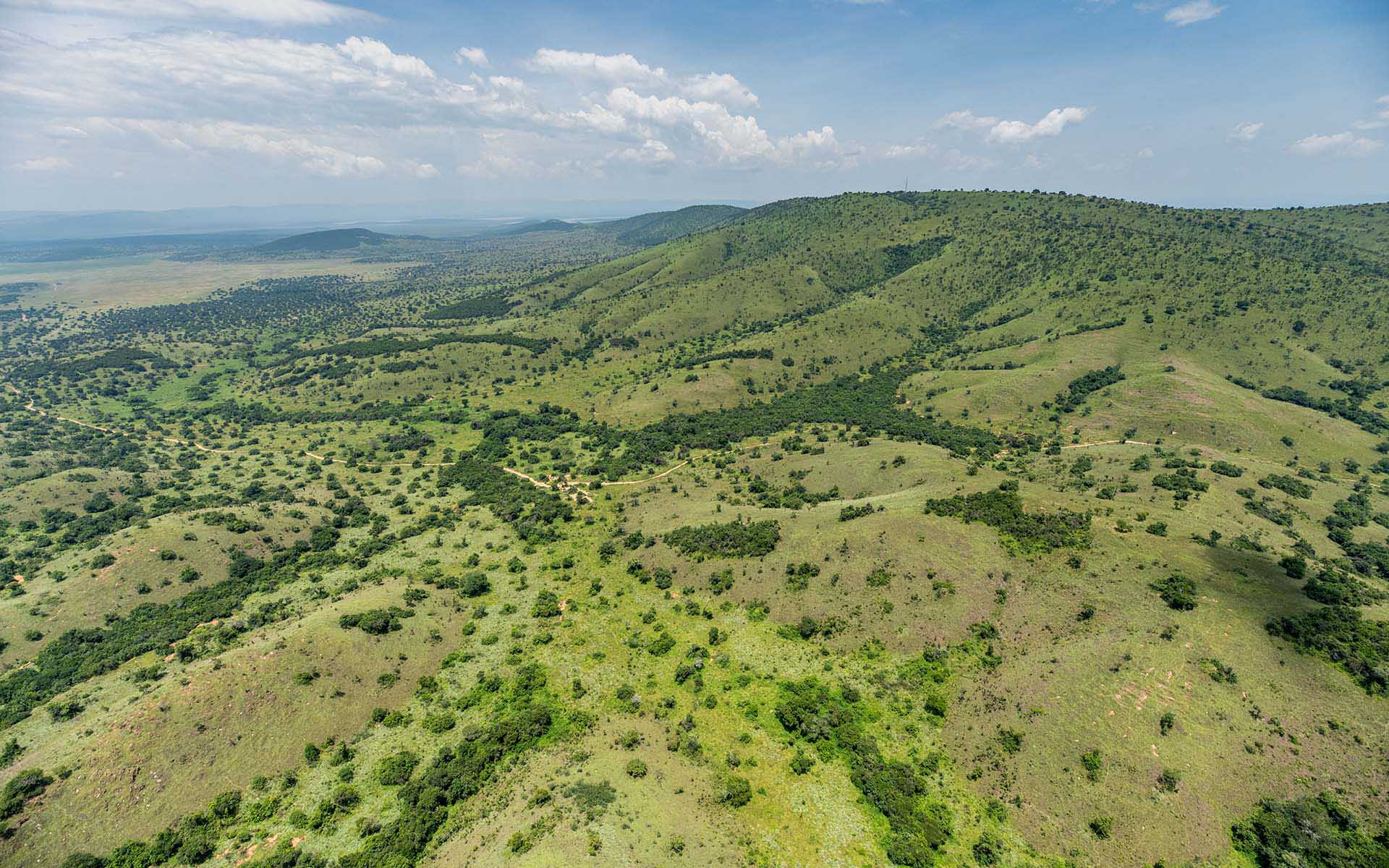
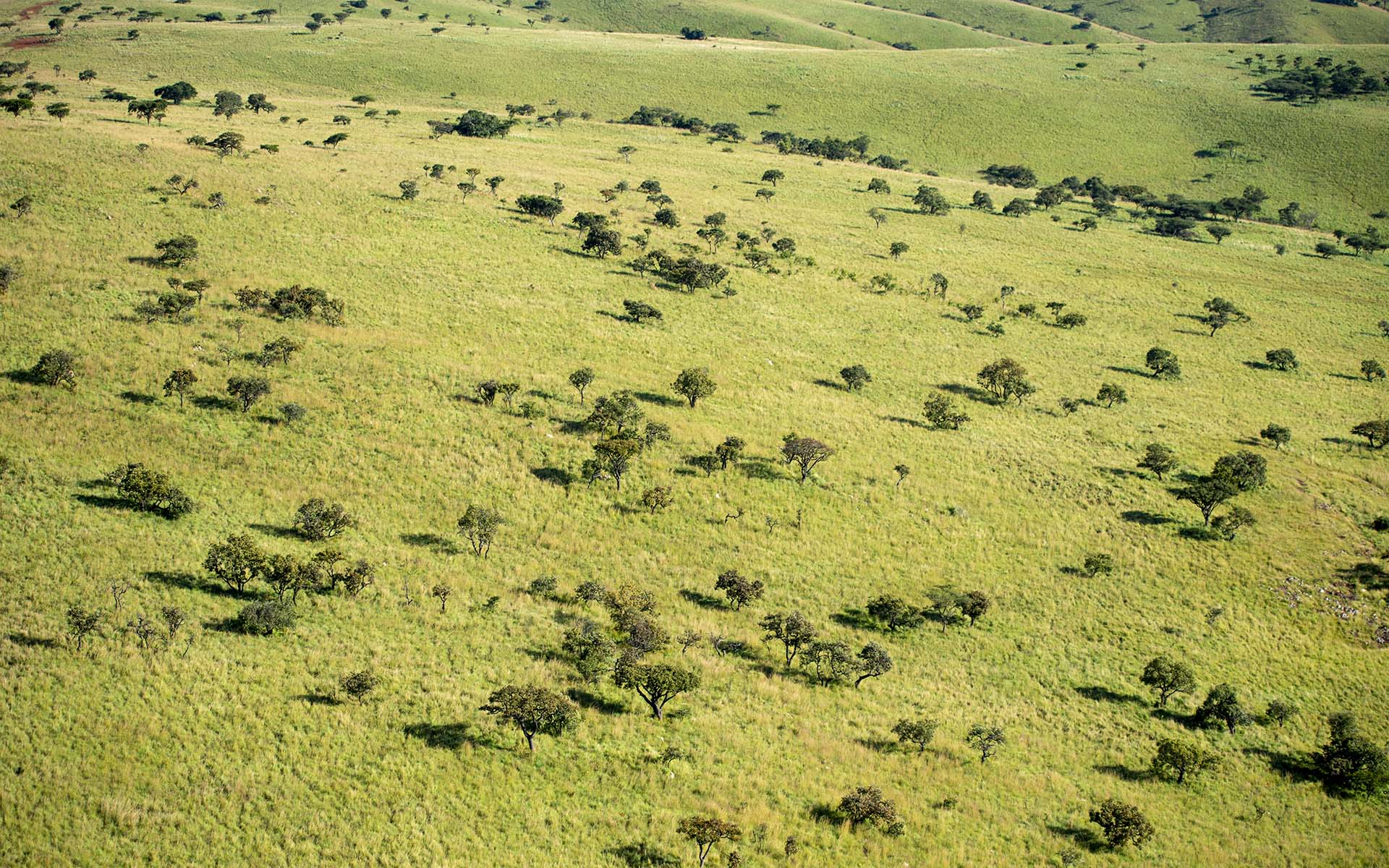
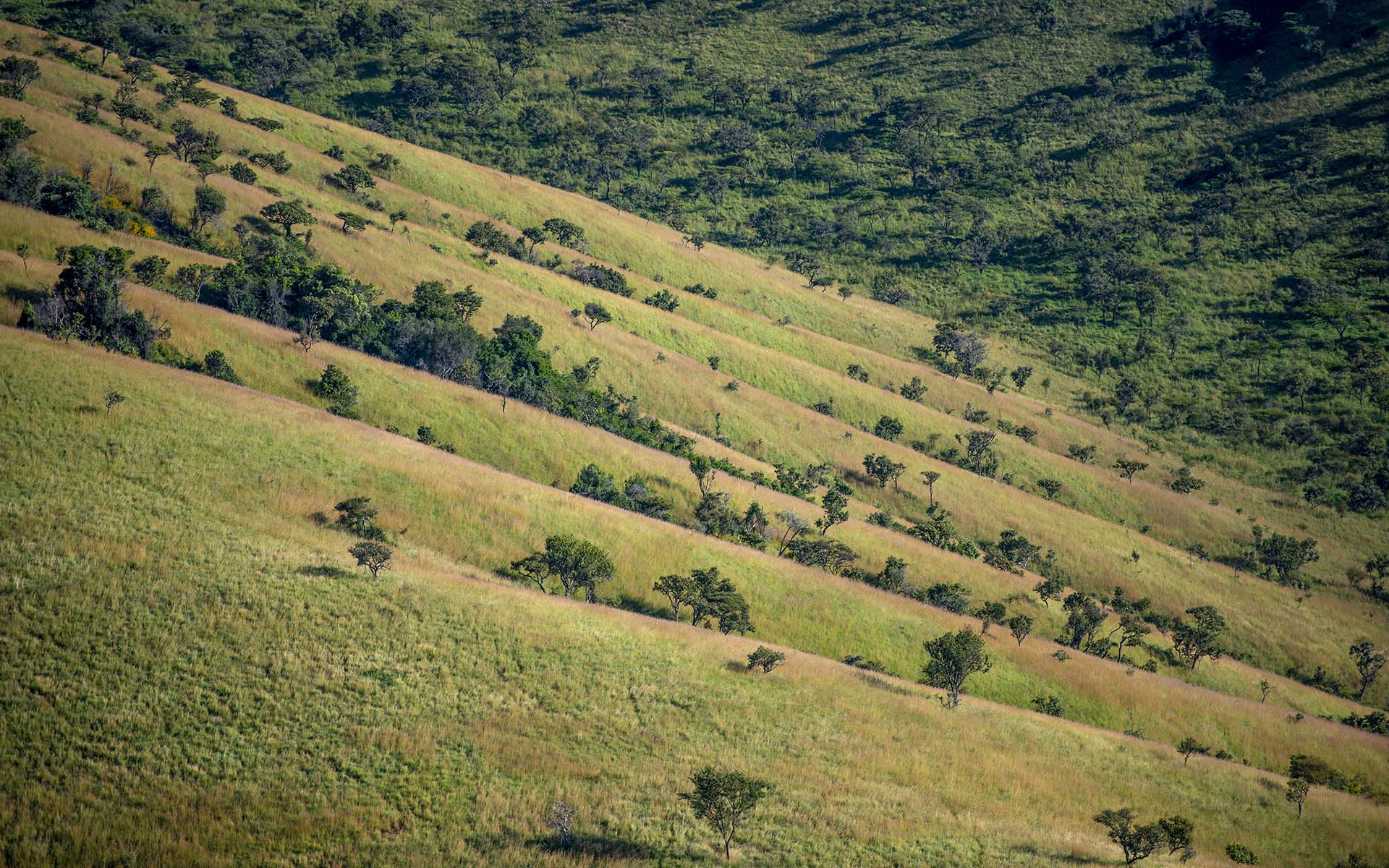
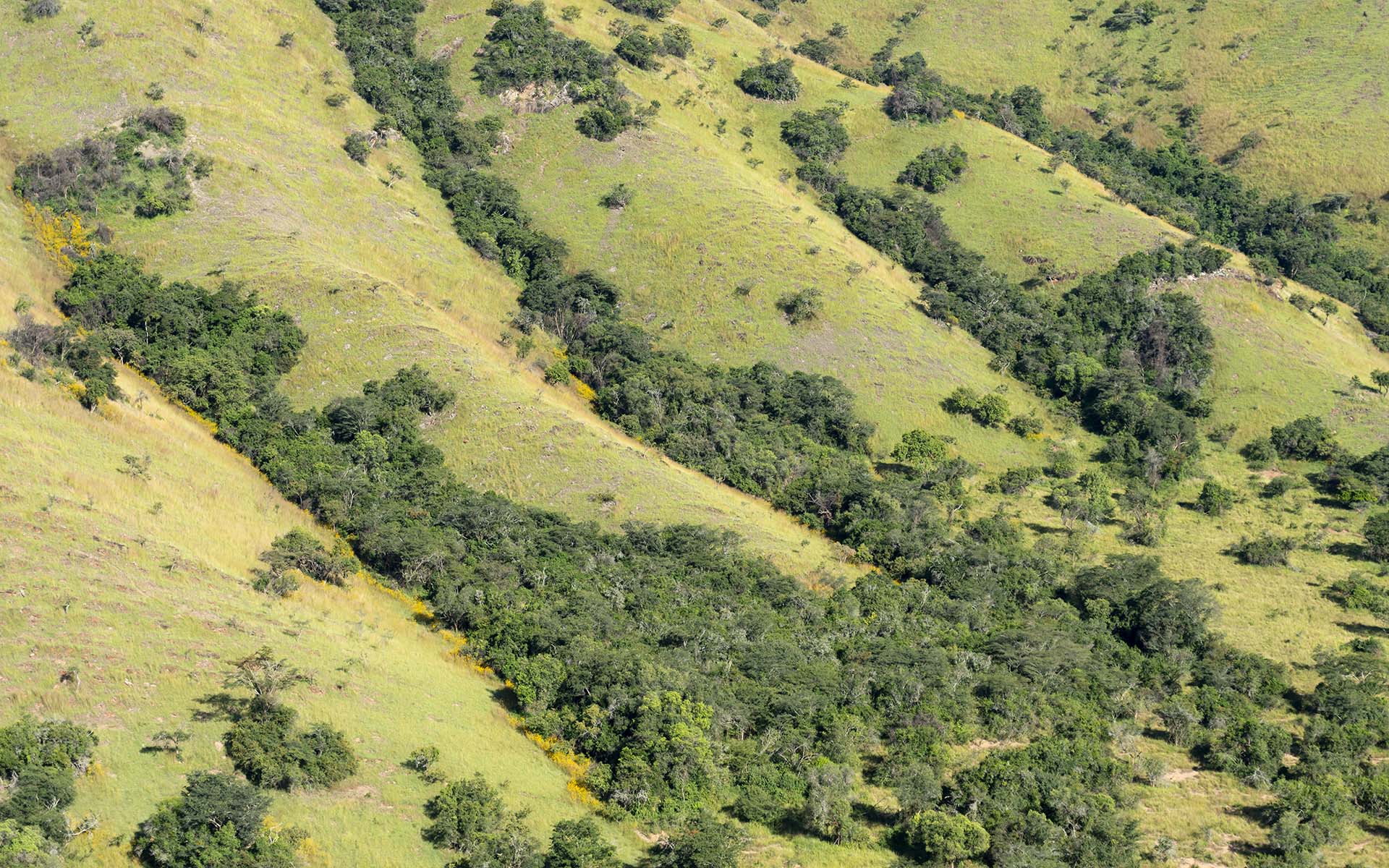
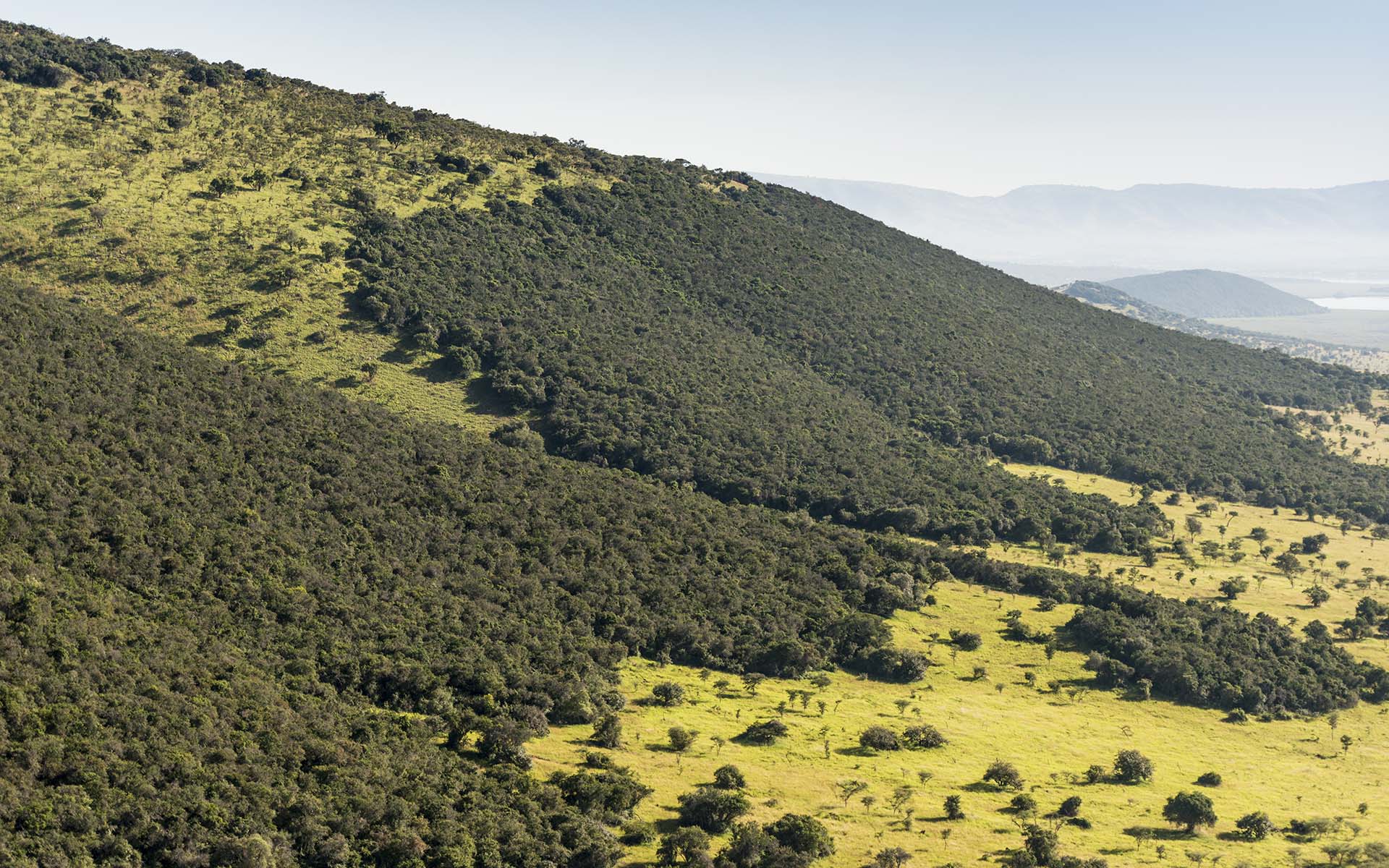
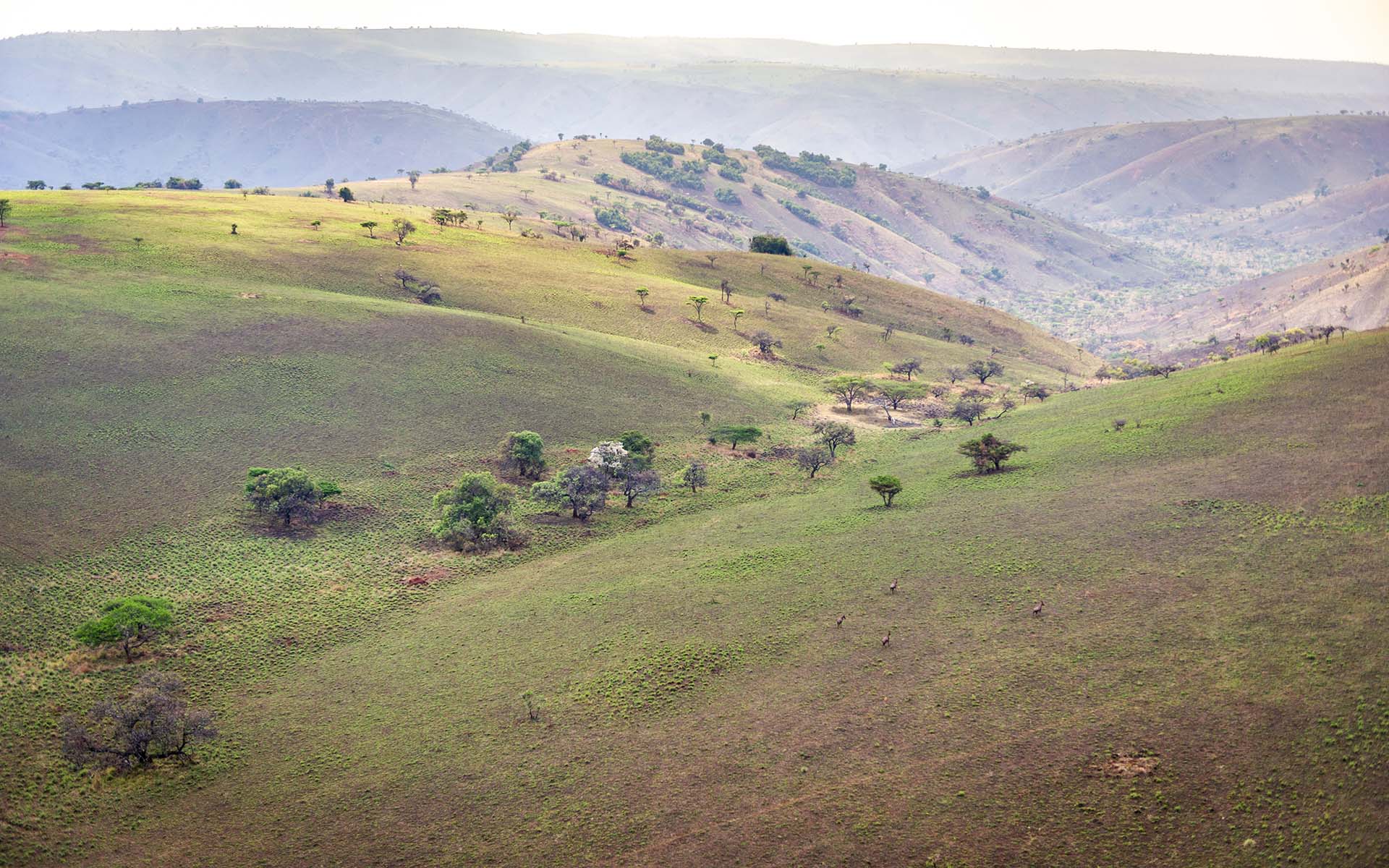
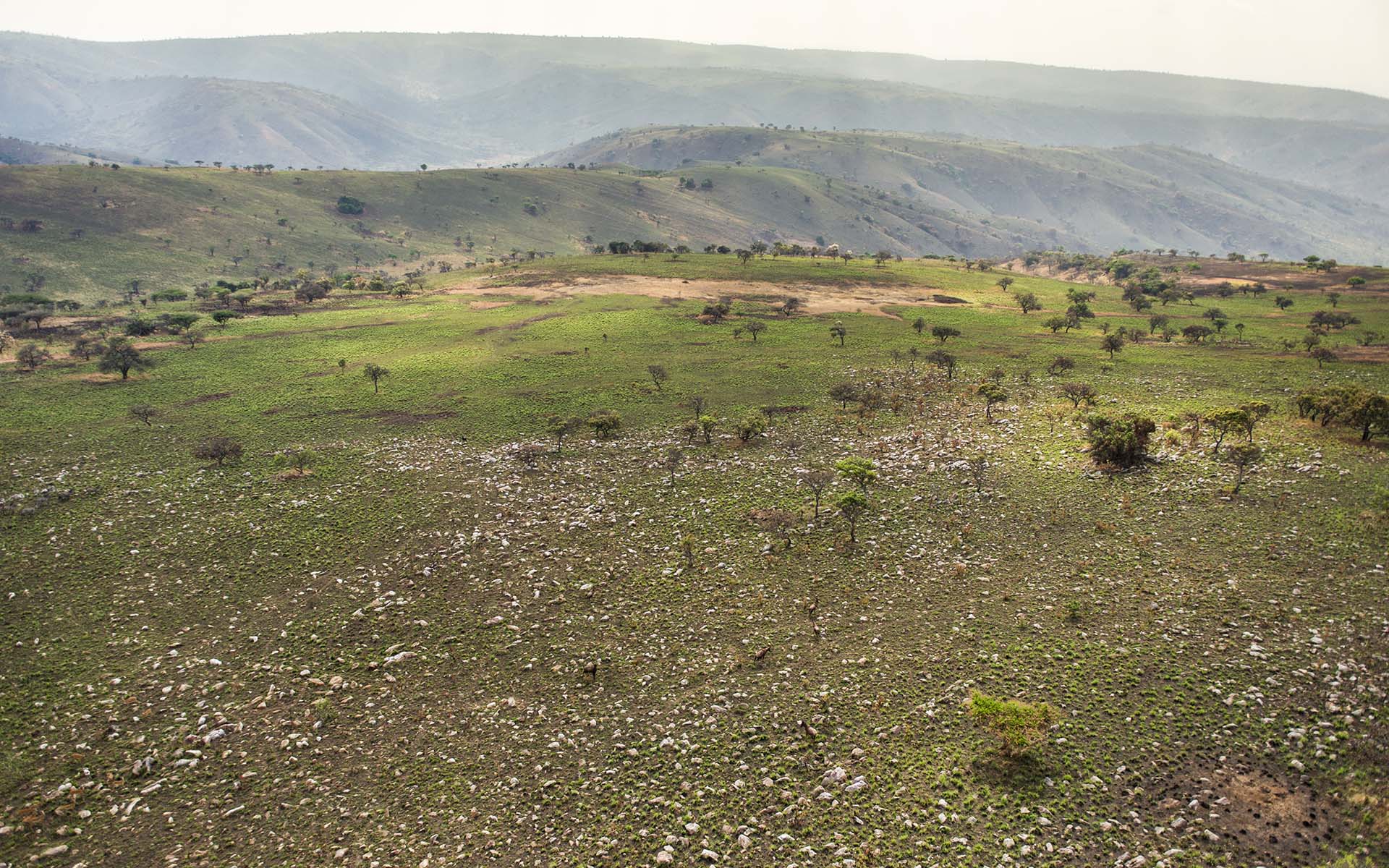
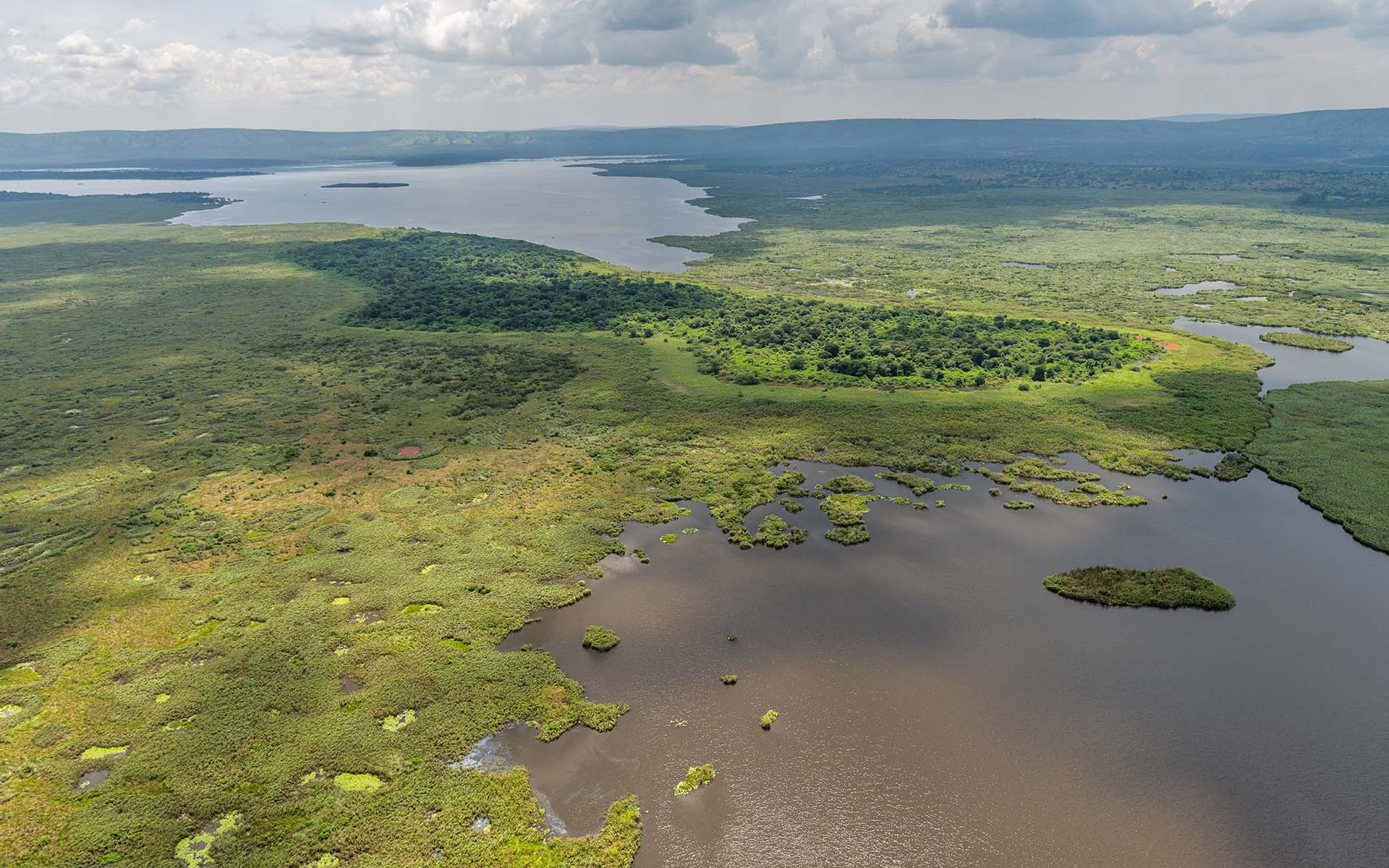
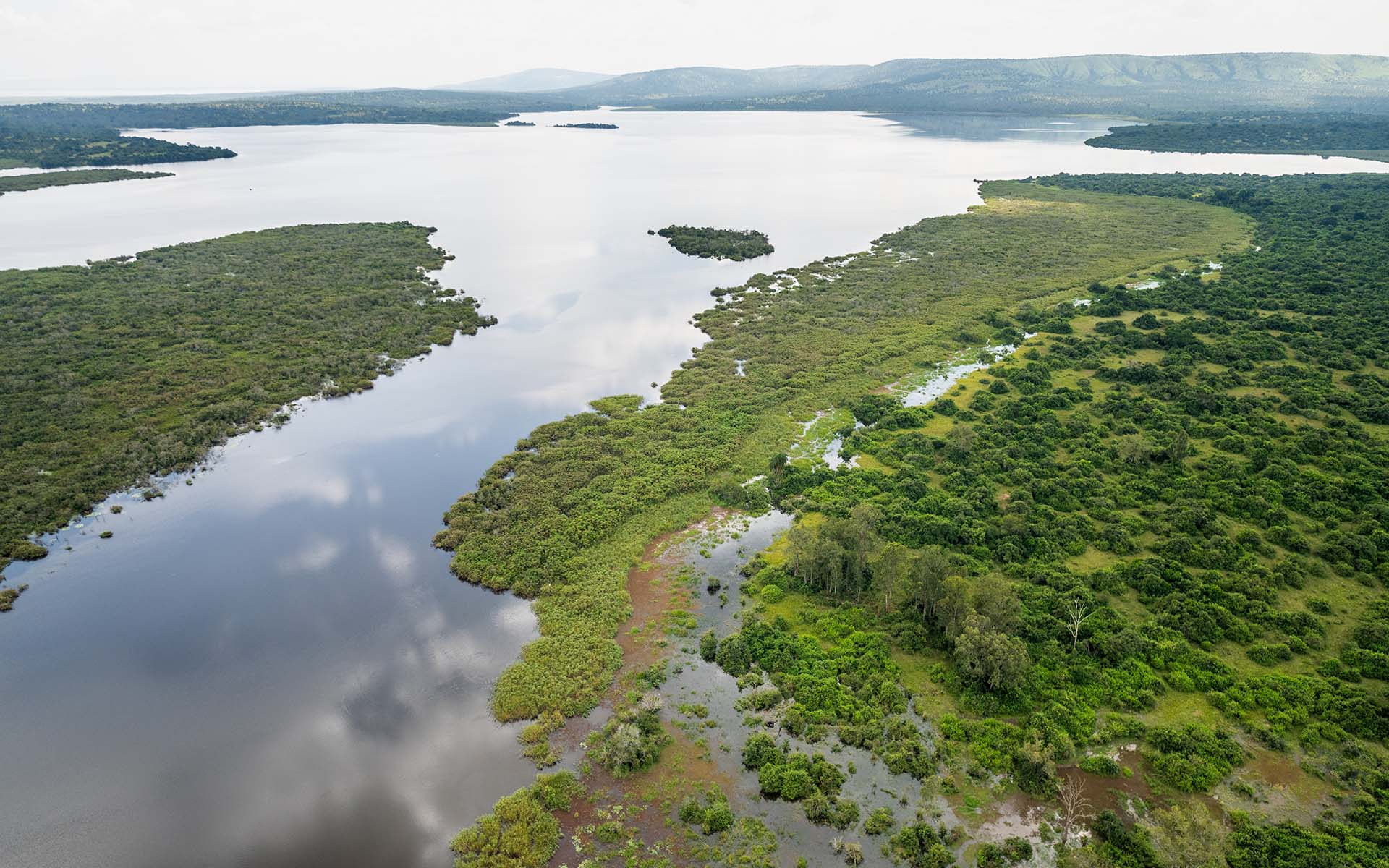
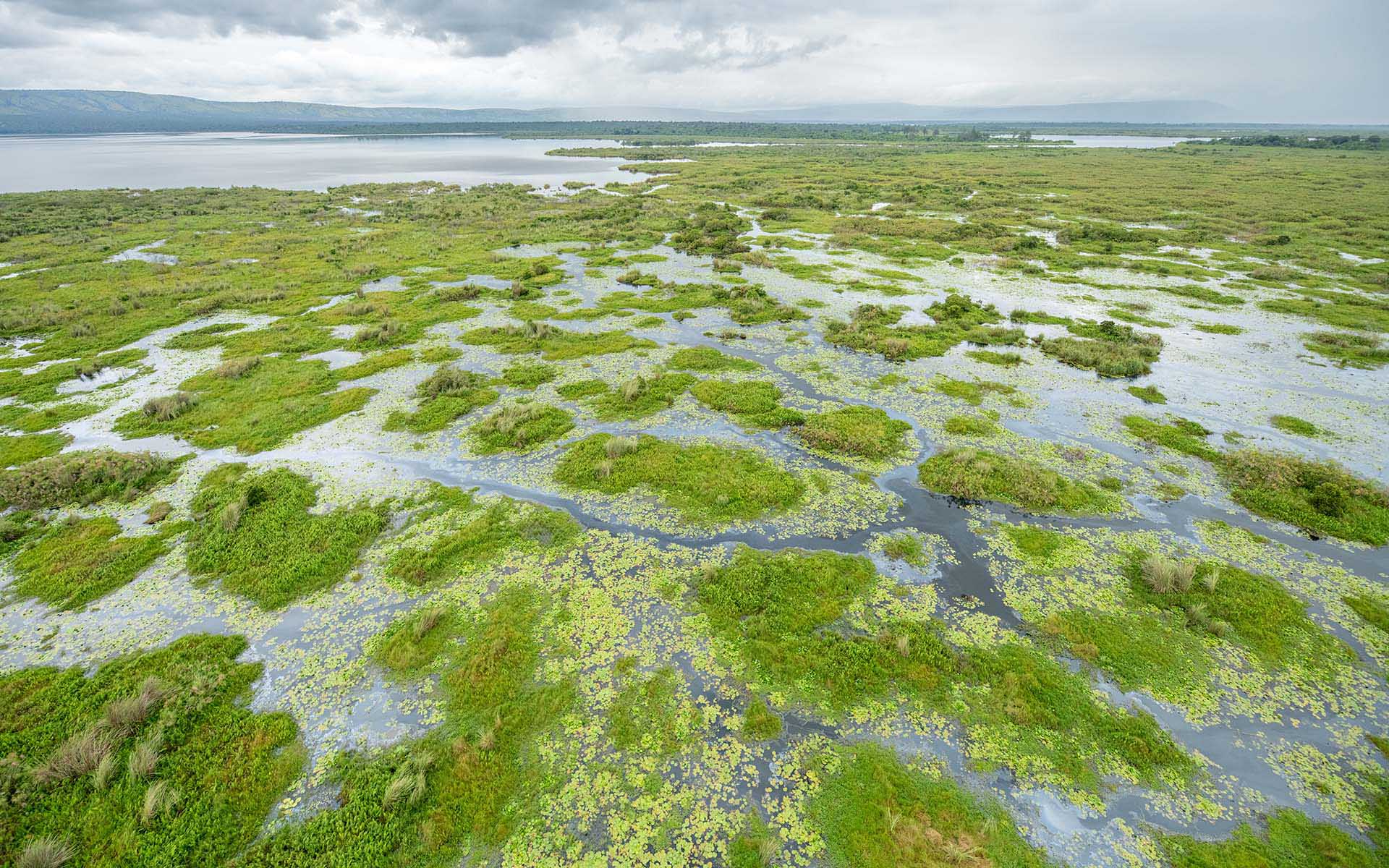
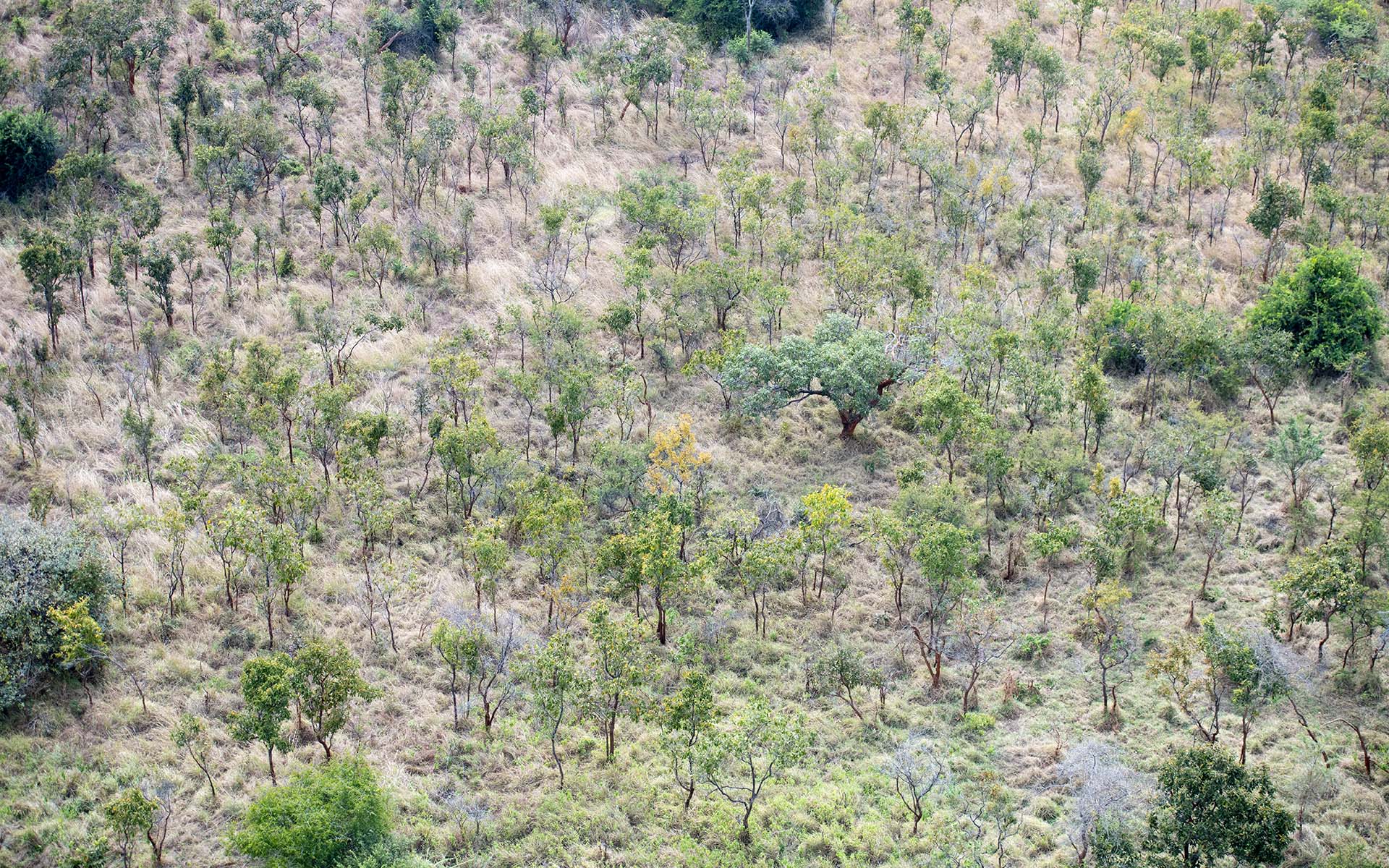
Akagera from Above offers a striking vision of Rwanda’s last remaining diverse savanna ecosystems. From the air, the park reveals an extraordinary mix of rolling hills, sweeping plains, glittering lakes, and one of East Africa’s most extensive wetland systems. This variety unfolds differently with each visit, rewarding those who explore it over several days or across the changing seasons. The shapes of the hills, the shifting colors of the land, the expansive skies, and the ever-evolving vegetation create endless beauty for visitors who choose to linger.

Though Akagera National Park may be small by African standards—and often dismissed as “not the Serengeti” because it lacks the massive wildlife concentrations found in the Serengeti or Boma-Badingilo in South Sudan—it protects a remarkable richness. The park shelters unique species and preserves Rwanda’s last stretch of intact savanna, a landscape of both ecological importance and quiet wonder.

The park’s diversity and beauty stand as a powerful testament to the importance of conserving landscapes. These, here and elsewhere, serves as ancient, millennia-old evidence of our shared history and provides one of the last opportunities to understand the long environmental history of our planet.

Here is an aerial glimpse, with images taken over the years
For more information about the parc, check out akagera’s page from African Parks, and my other post: visual introduction.

Akagera From Above

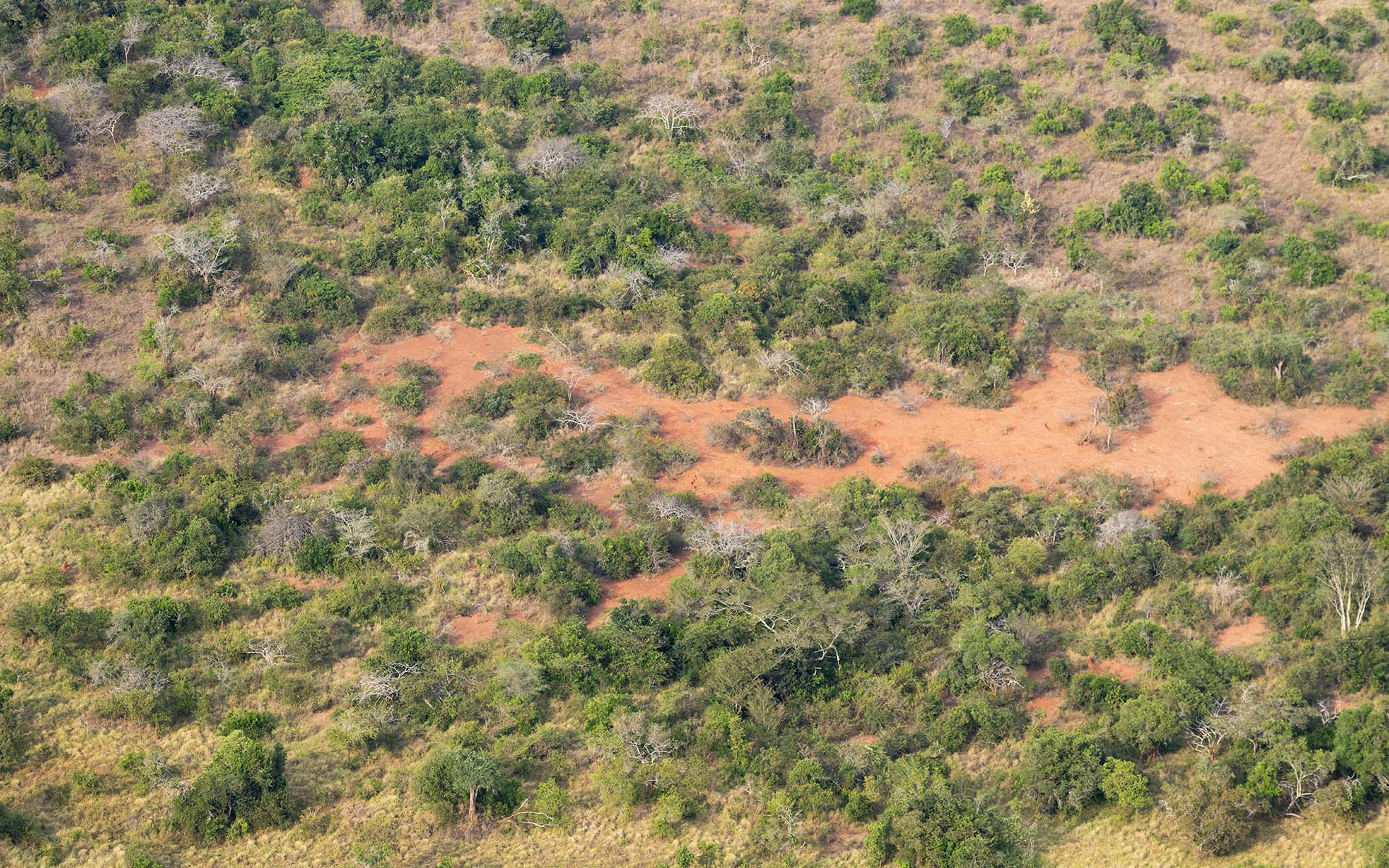
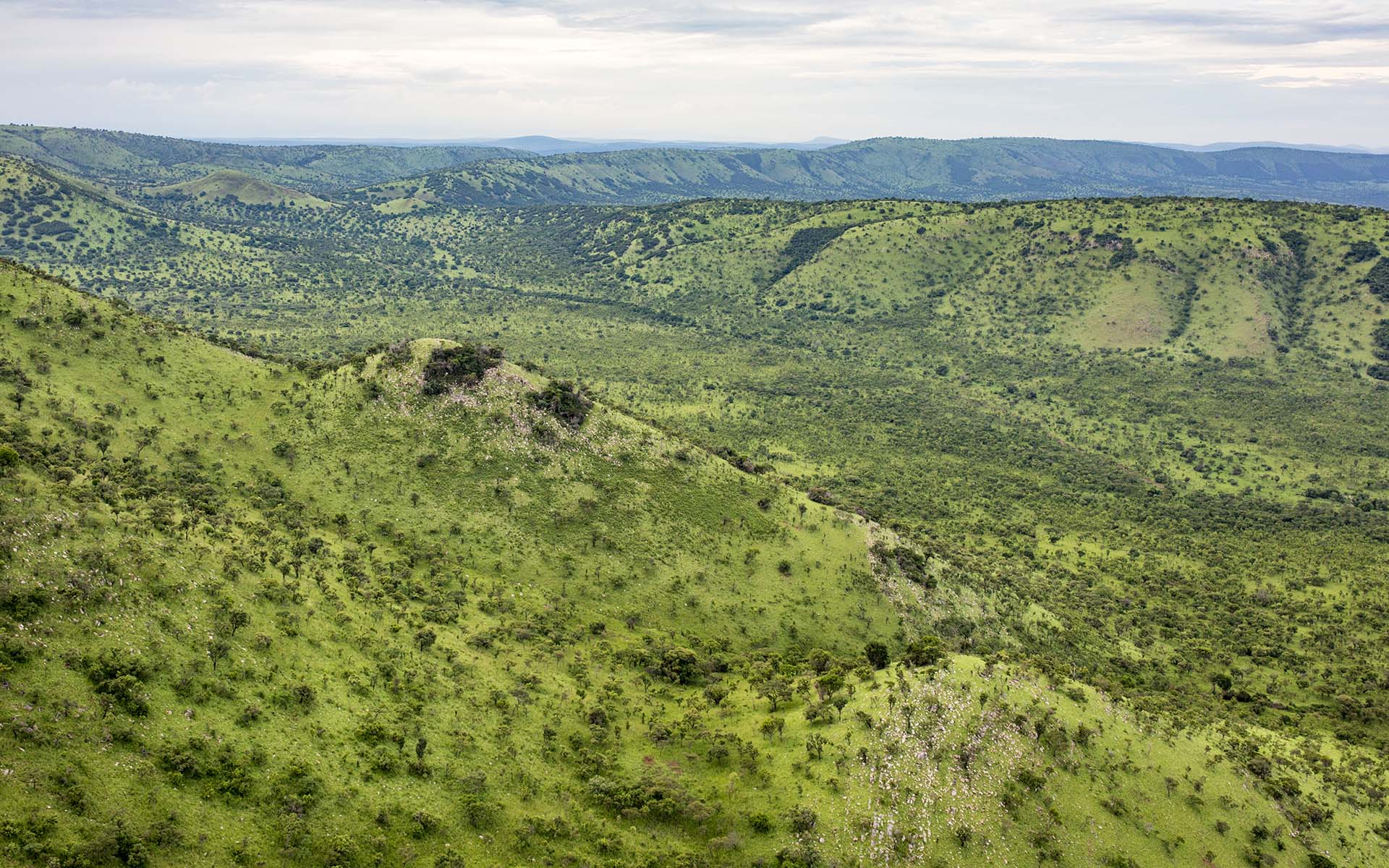
Combretum savanna, on the foothills of the southern part of the park.

Akagera From Above

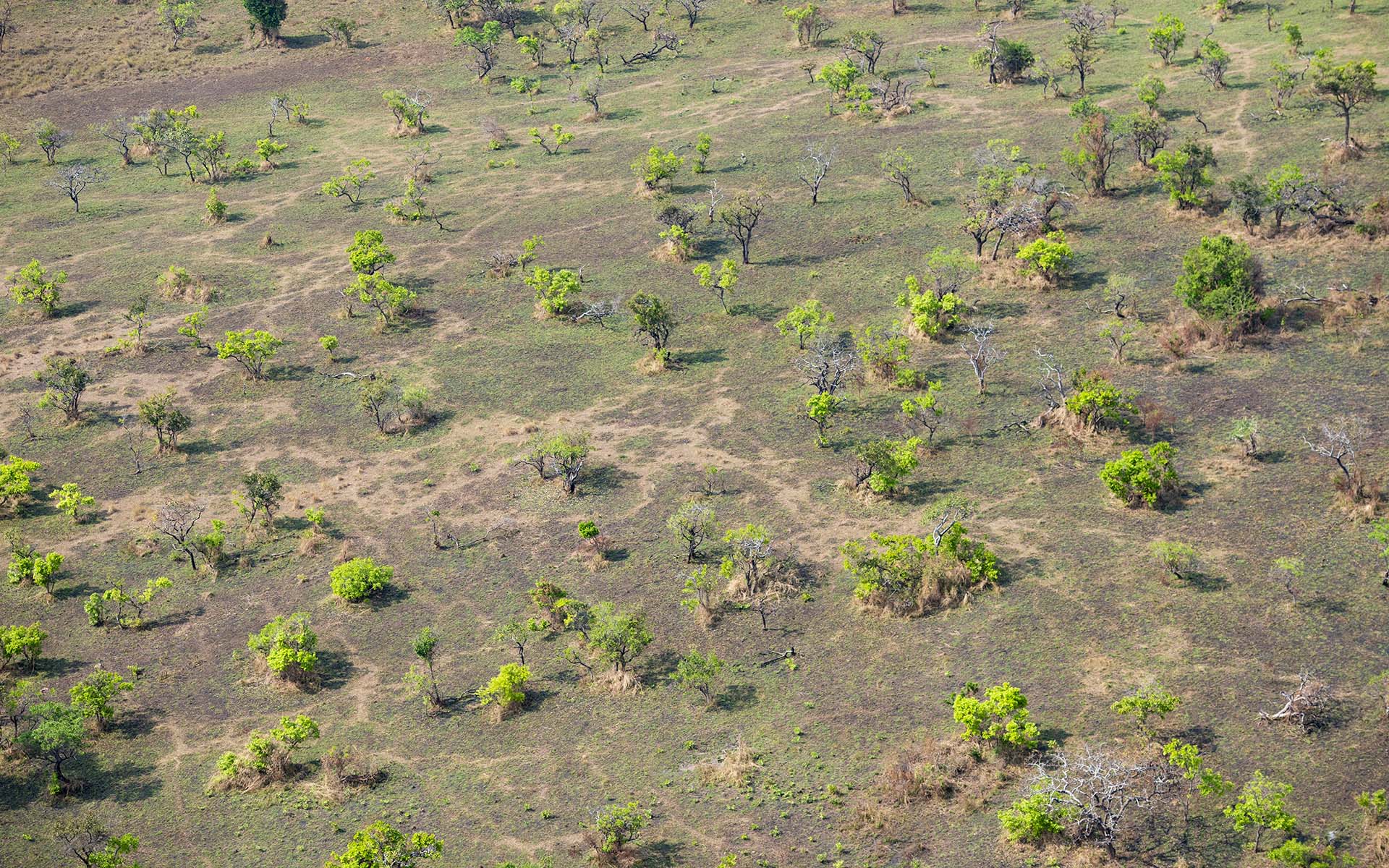
Sparse Combretum savanna on the Kageyo Peninsula, at the end of dry season.

Akagera From Above

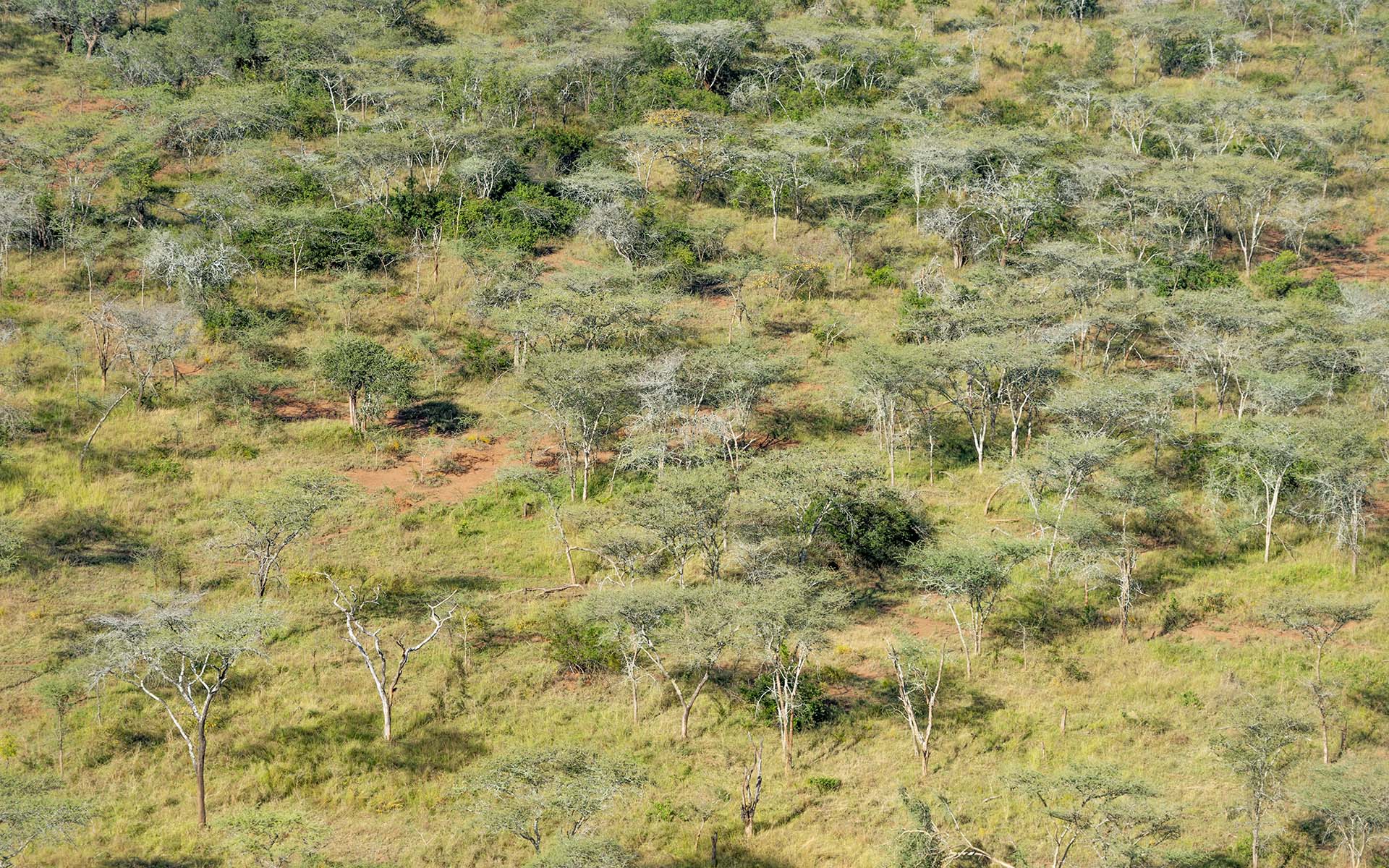
Senegalia senegal dominant savanna, in the north of the park.

Akagera From Above

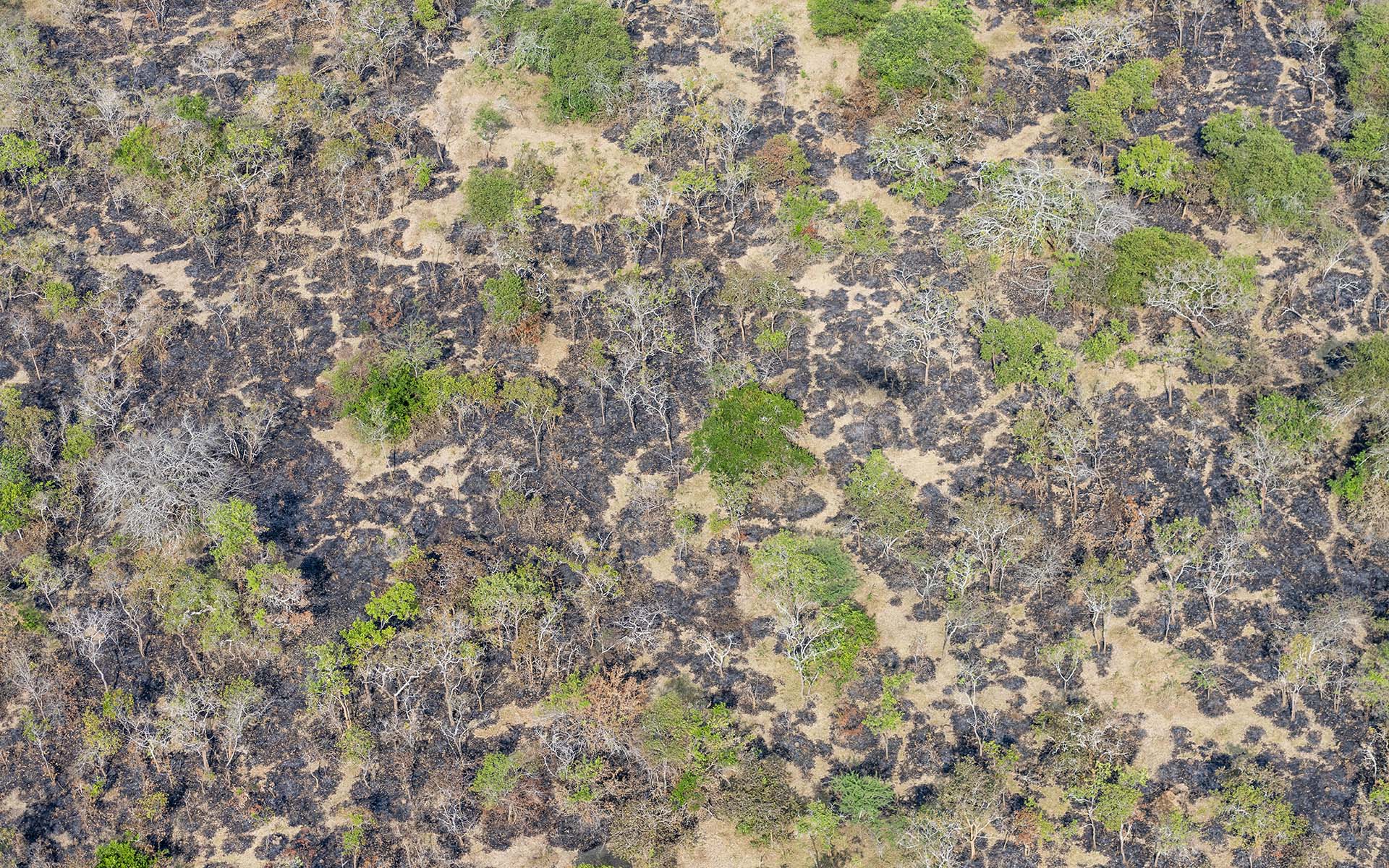
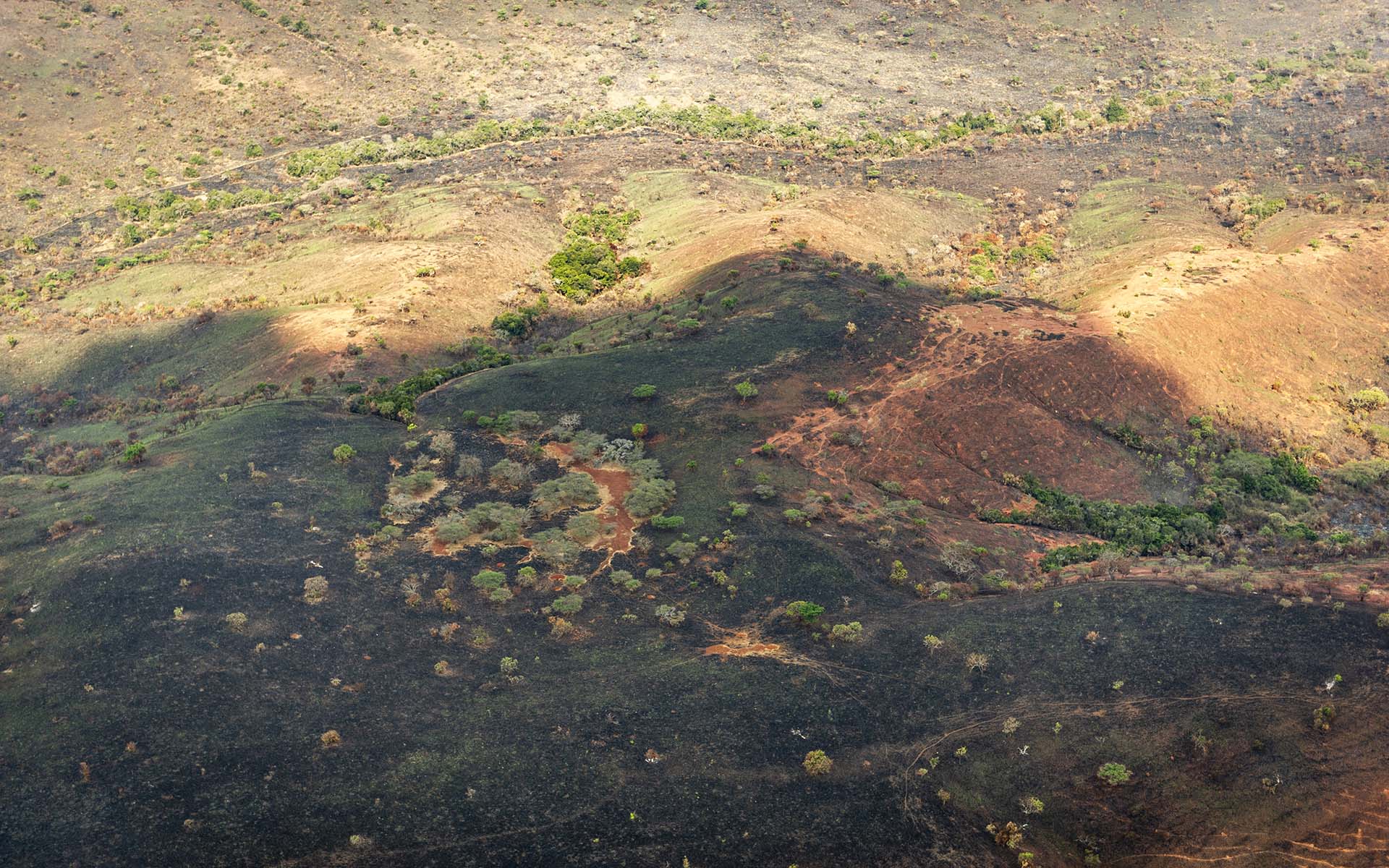
Mosaic of burnt and savannas, at the end of dry season.

Akagera From Above

The southern wooded part, on Rurama Peninsula, at the end of rains.

Akagera From Above

Gishanju peninsula, with view of the Kitabiri hills in the back.

Akagera From Above

The Muhororo hills with Kirara plains in the background.

Akagera From Above

Grasslands on the Kandalo hills.

Akagera From Above

The eastern slopes of the Munkerenke hills.

Akagera From Above

The steep slopes of the eastern Muhororo

Akagera From Above

Dry forests on the Muhororo slopes.

Akagera From Above

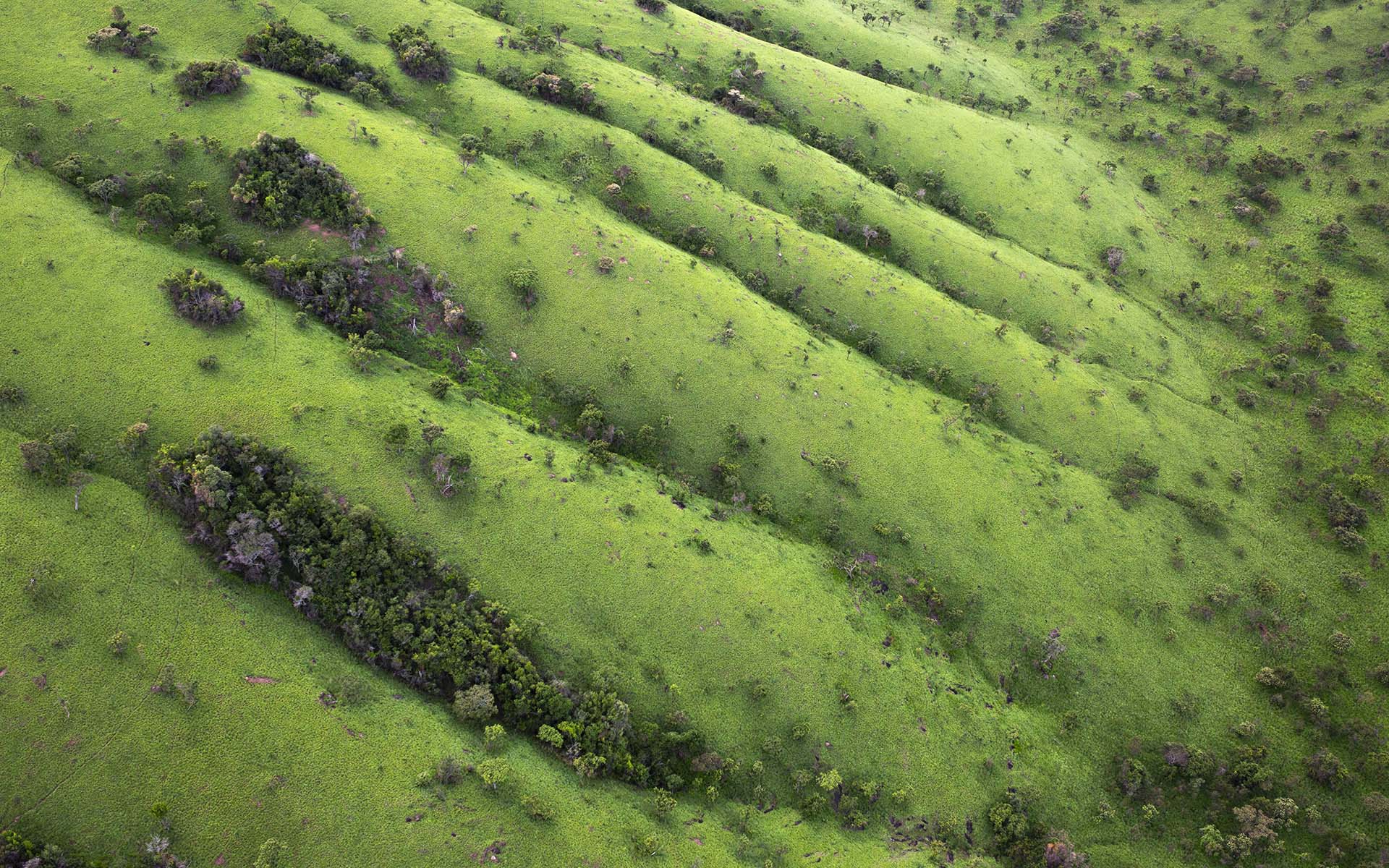
The slow rolling slopes of the Mutumba summit.

Akagera From Above

The slow rolling slopes of the Mutumba summit.

Akagera From Above

Patches of burnt savannas on the western Nyamabuye

Akagera From Above

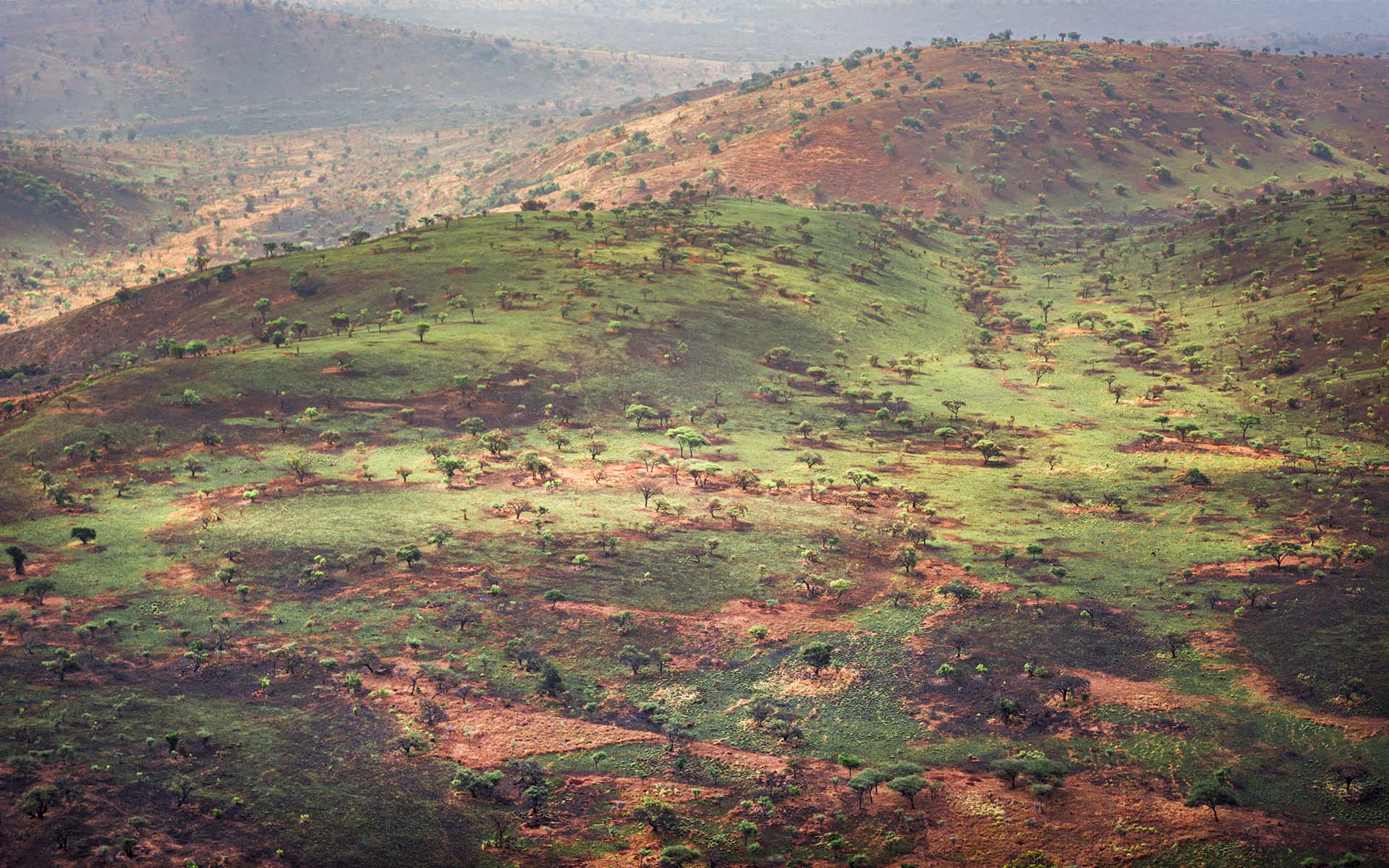
The onset of savanna regrowth on the hills.

Akagera From Above

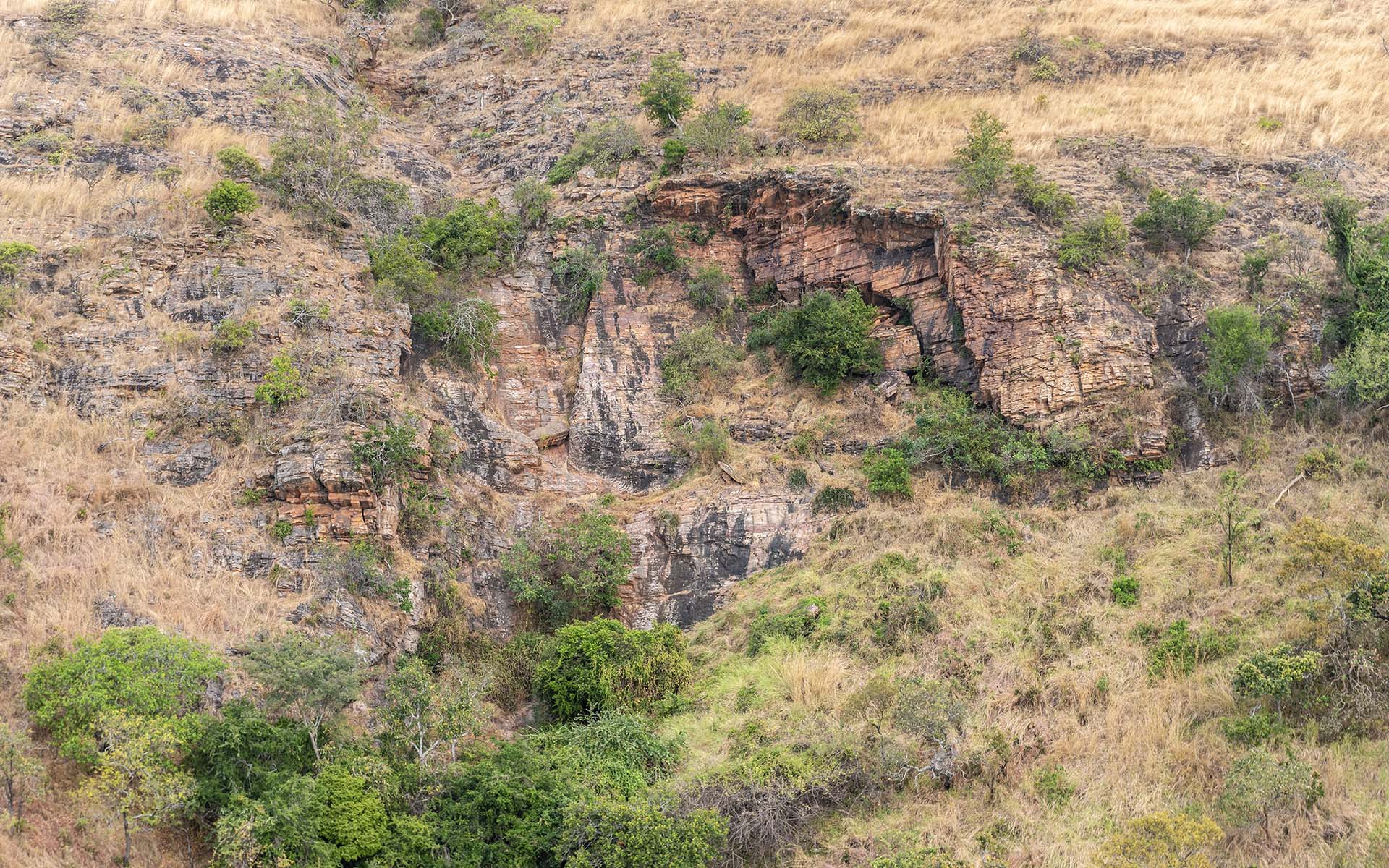
Rocky outcrops on the slopes of Muyumbu

Akagera From Above

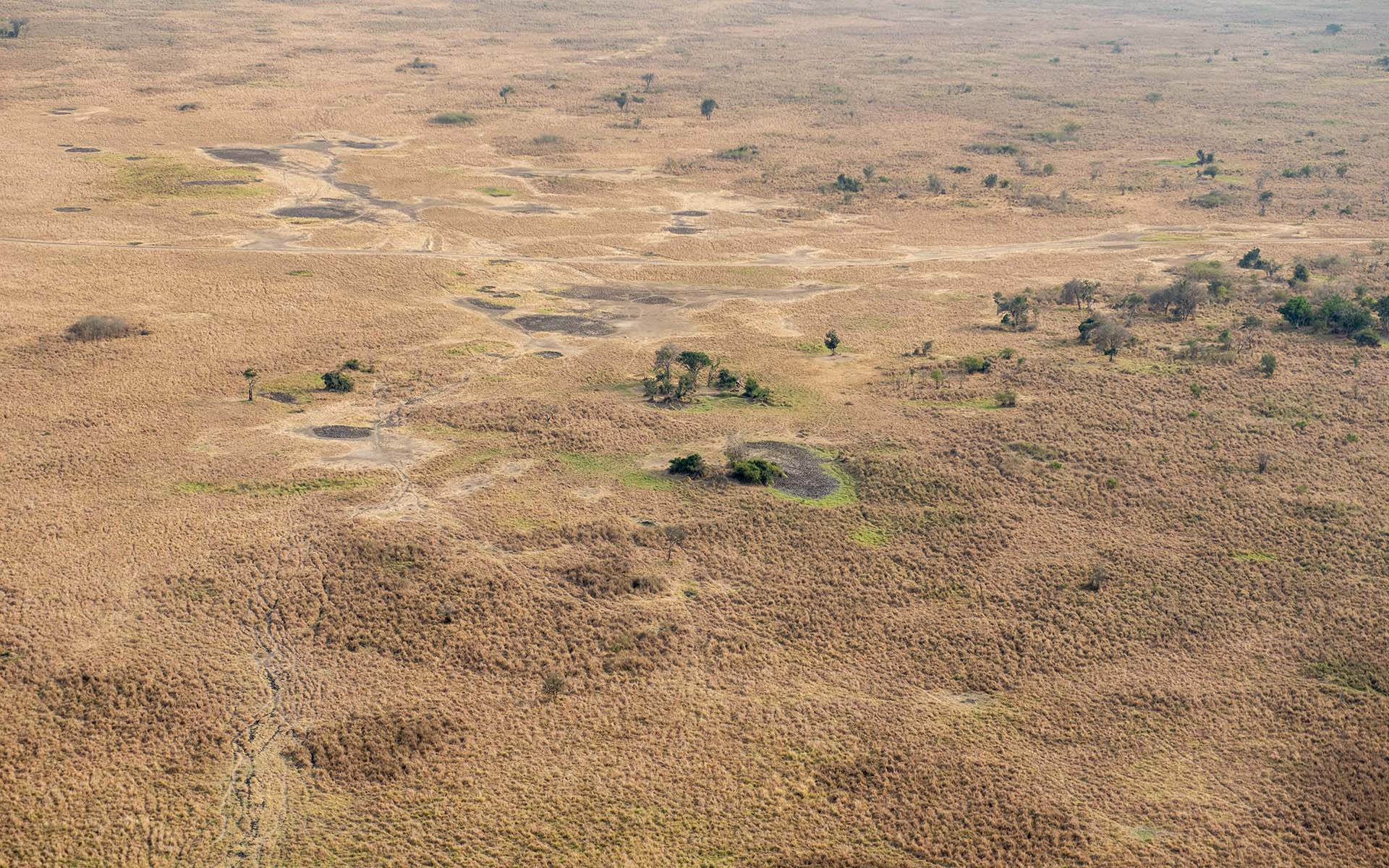
Nyamwashama Plain, unburnt, during dry season.

Akagera From Above

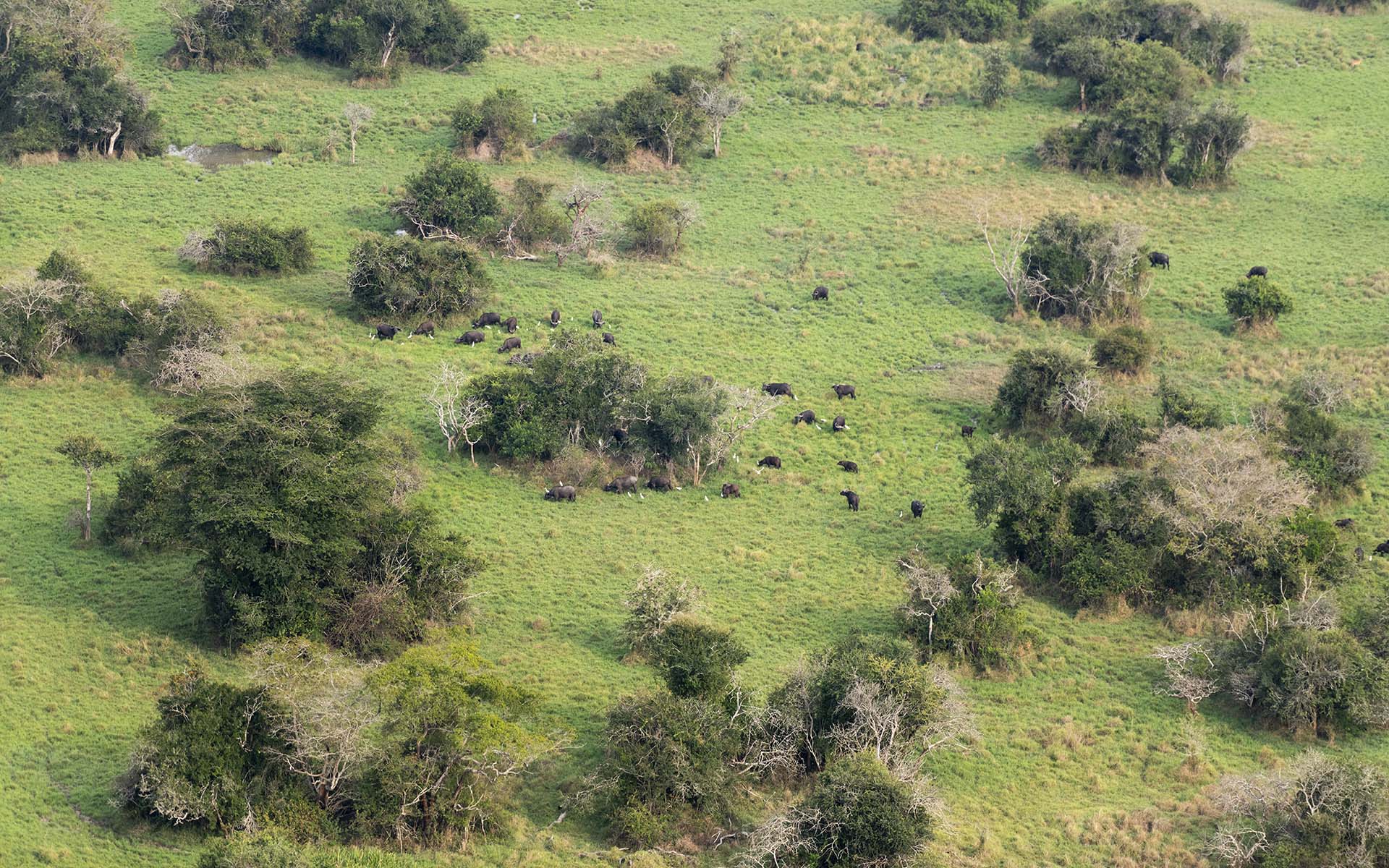
The waterlogged areas of the Nyamwashama plains, often frequented by buffalo.

Akagera From Above

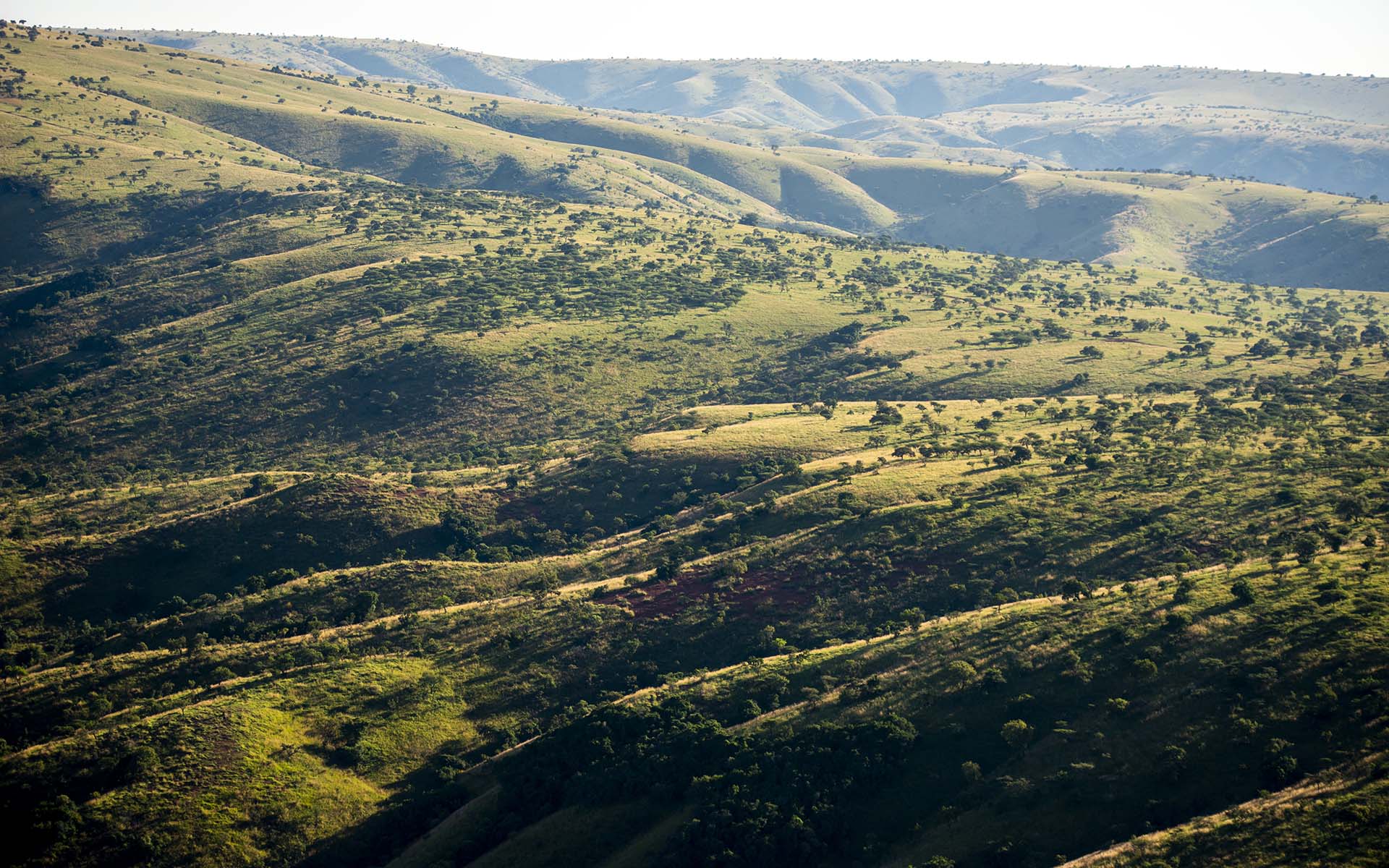
The northern slopes of Kandalo hills and the Muhororo on the far background.

Akagera From Above

The hills, bright green in november.

Akagera From Above

The road to Mutumba, early morning.

Akagera From Above

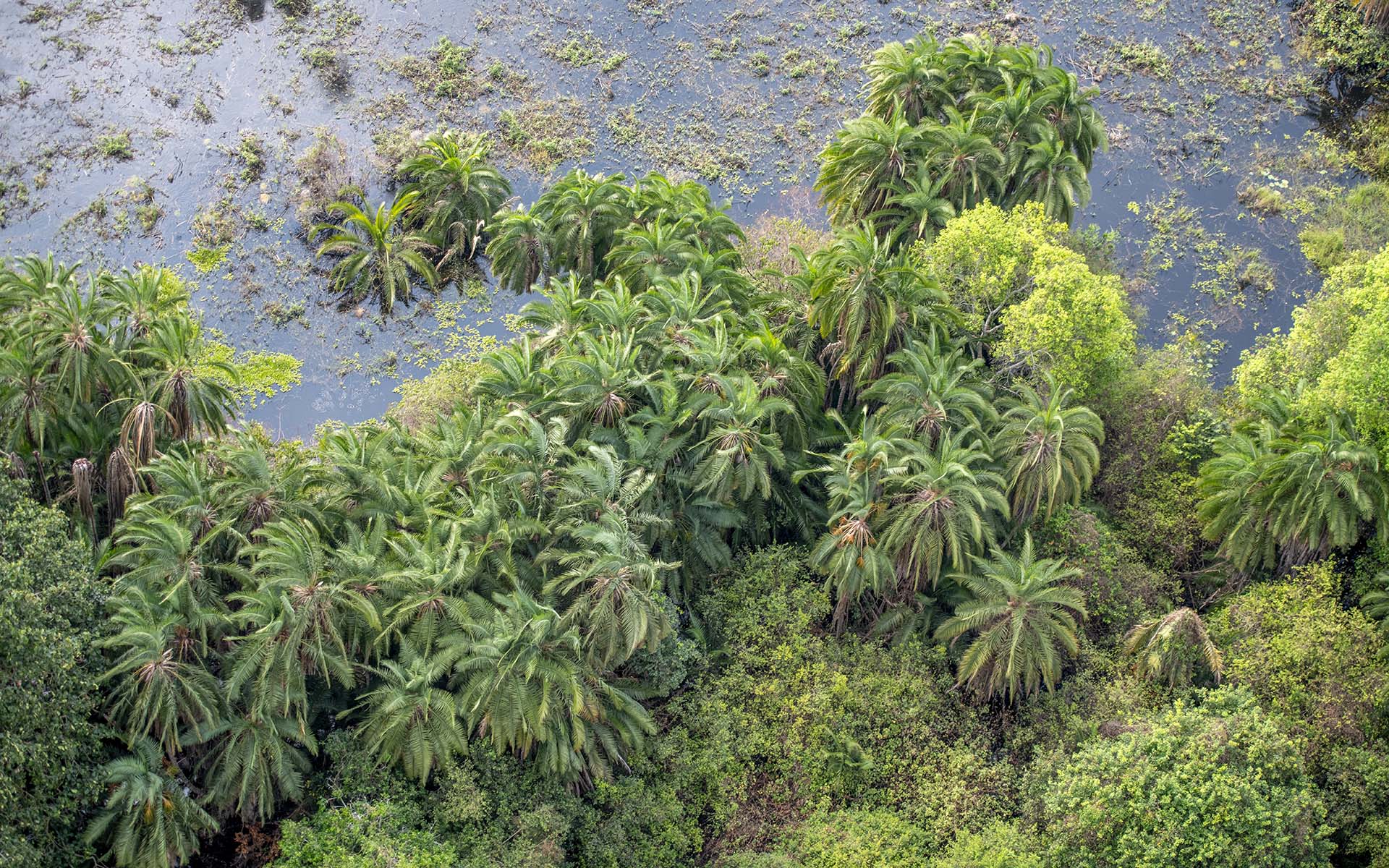
Riverine Phoenix palms on the edges of Birengero Lake

Akagera From Above

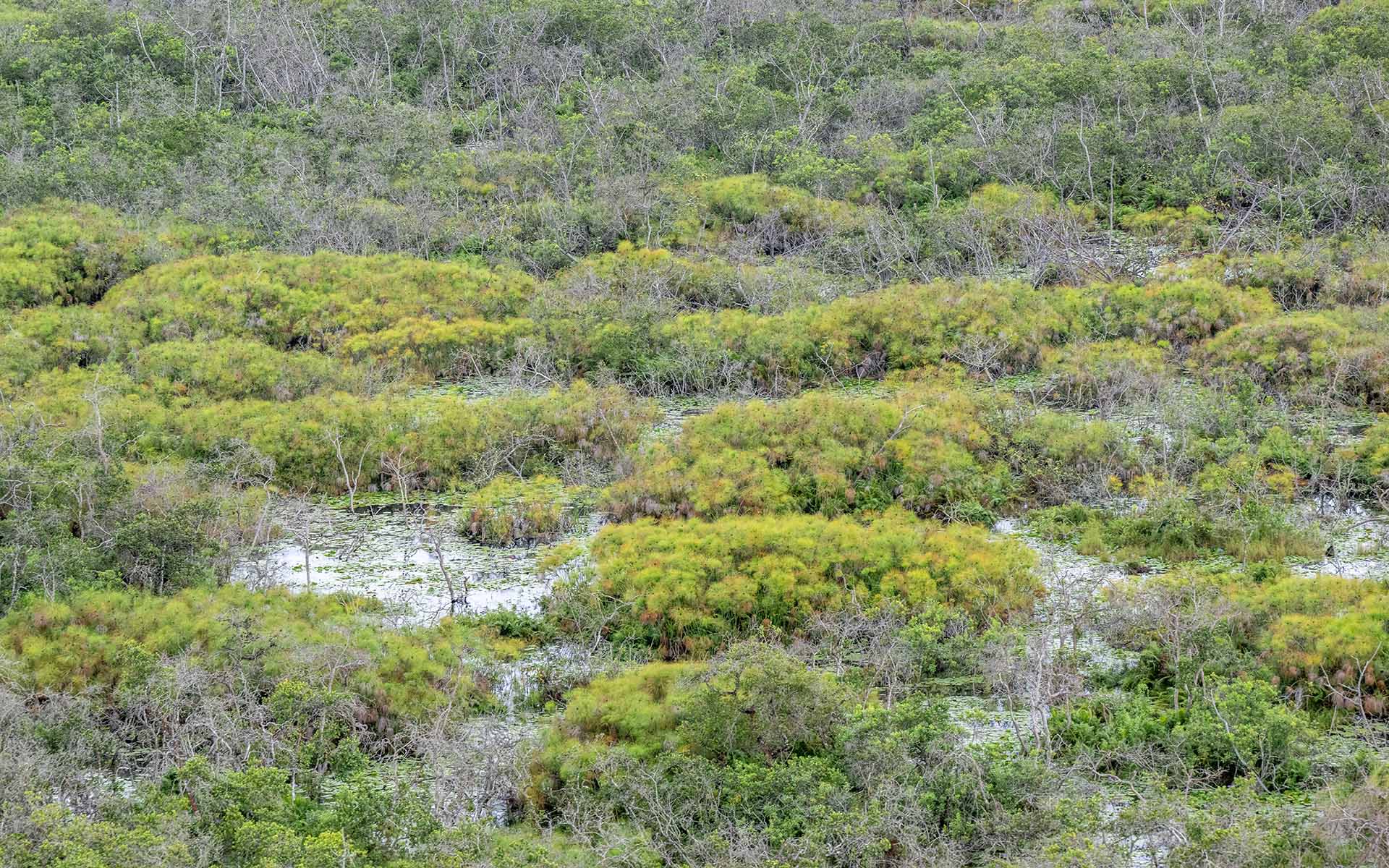
Open papyrus swamp between Birengero and Ihema Lakes

Akagera From Above

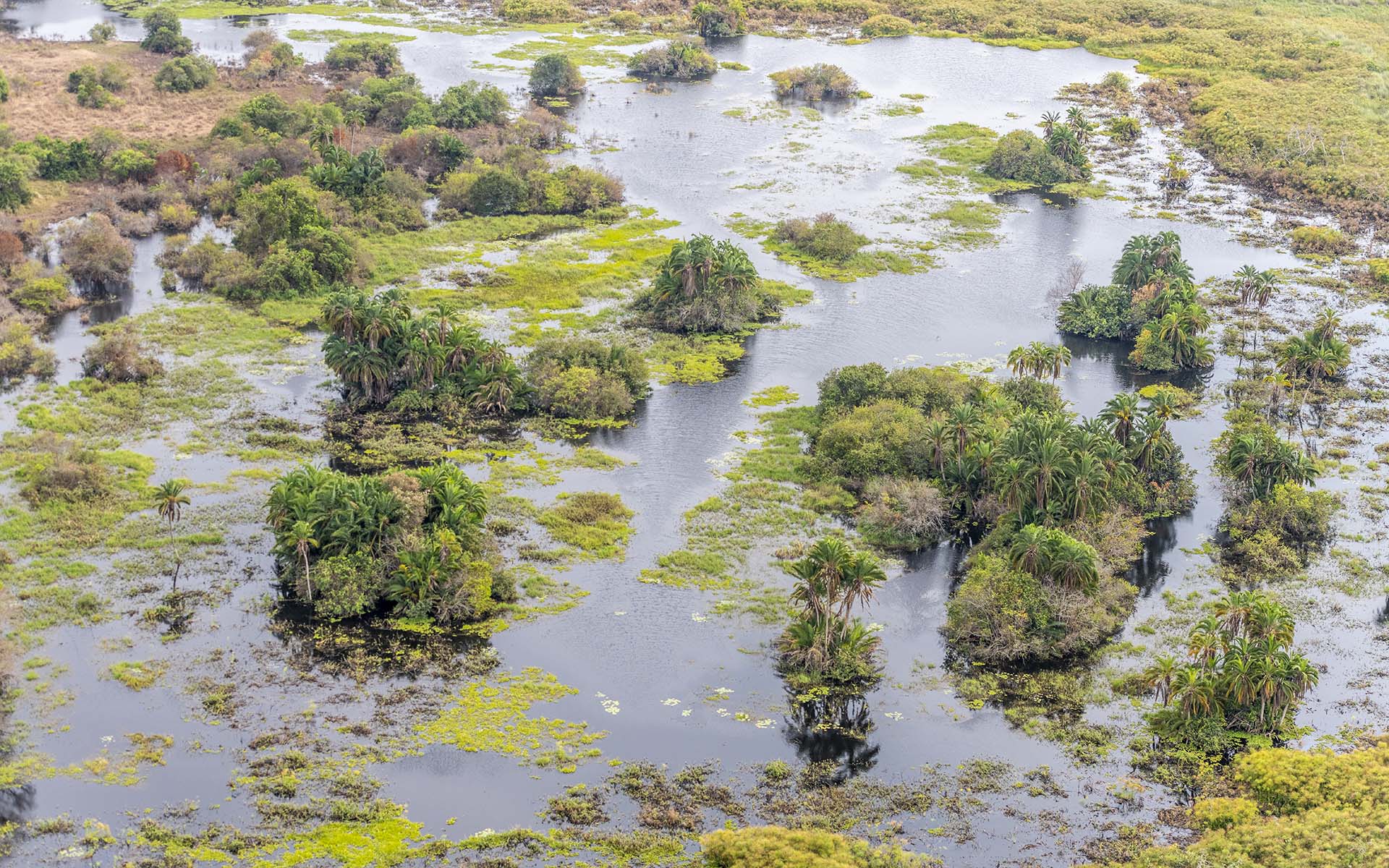
Flooded riverine vegetation on the shores of Birengero.

Akagera From Above

Small lake remnants south of Kageyo peninsula.

Akagera From Above

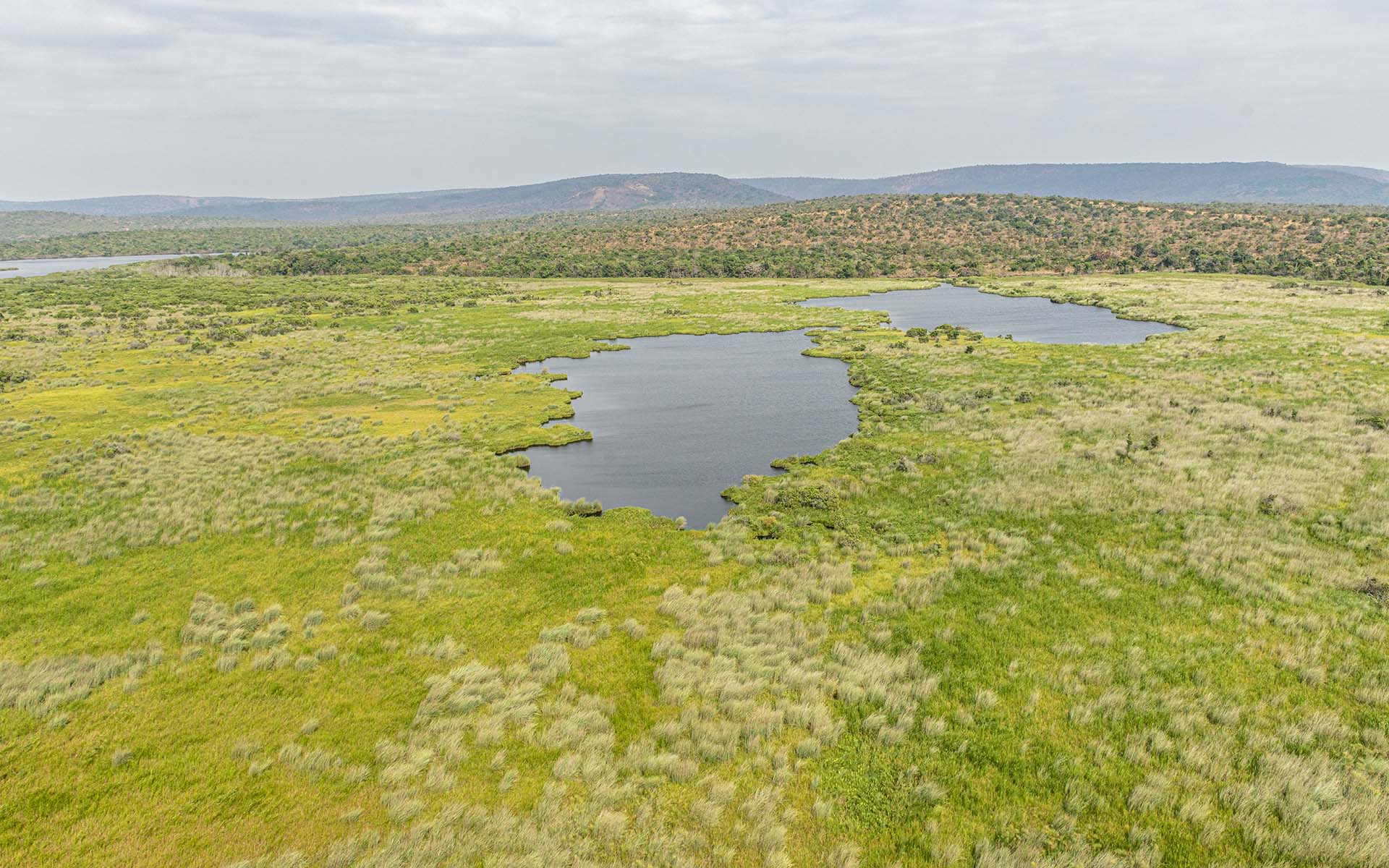
The extensive wetland systems north of Lake Hago

Akagera From Above

Lake Kivumba during peak rainy season with high waters.

Akagera From Above

The open wetlands north of Kageyo – Shoebill territory